
The proofing is done and there’s been no sign of anything for weeks. Yet there’s still that freeze at a creak in the floorboards, the cupboard check before bed, the lying awake listening.
None of that is overreacting. A lingering fear of rodents after an infestation is common, and it doesn’t switch off just because the gaps are sealed. Something got into the place that’s meant to feel safest, and that takes time to shake.
This piece covers the part pest control usually skips: getting peace of mind back. It looks at why the anxiety lingers, what helps, and when it’s worth talking to someone who specialises in pest-related fear.
Why the fear lingers after the rodents have gone
Home is supposed to be the one place where it’s possible to switch off. When mice or rats get in, that sense of safety goes, and it rarely comes back on the same day as the last sighting.
Part of it is how fear works. The mind learns fast from a frightening experience, then keeps watch for anything that might signal it again: a scratch, a shadow, a rustle near the bin. That vigilance made sense while the problem was there. Once it’s gone, it can keep running in the background.
For some people it goes further. The NHS describes phobias as an anxiety condition usually triggered by a particular object or situation, including animals, and notes that many can be linked to a frightening event or stressful situation. An infestation can be exactly that kind of event.
Signs the fear is still running the show
Everyone reacts differently, but these are common after a rodent problem has been dealt with:
Checking cupboards, corners and behind appliances again and again.
Cleaning far beyond what the kitchen needs, in case a crumb invites them back.
Avoiding the kitchen after dark, or a particular room altogether.
Lying awake listening for noises, and waking at every creak.
Feeling irritable with family members who seem to have moved on.
A nagging sense that the money spent was wasted, because it still feels as though they’re there.
If several of these sound familiar, it isn’t weakness. It’s a nervous system that hasn’t yet caught up with the facts.
What helps
Know the gaps are closed
Uncertainty feeds fear. Knowing where the rodents got in, and seeing that those routes have been sealed, gives the mind something solid to hold onto. Rodocentric starts every job with an assessment and report, and customers can see photos of the proofing once it’s done. Keeping those photos to hand can help on an anxious evening.
Learn the house’s normal noises
Homes make sounds. Pipes tick as the heating comes on, floorboards move as temperatures change and old houses creak. Not every noise is a rodent, and learning which sounds are just the house settling takes some of the sting out of them.
Keep routines sensible
Good food storage is worth keeping. Wiping the same worktop five times a night isn’t. If cleaning has become a way of managing fear rather than looking after a home, that’s worth noticing.
Talk about it
The NHS suggests talking to someone you trust and trying breathing exercises to help with anxiety. Saying the fear out loud often makes it feel less overwhelming, and it helps the people around you understand why you’re still on edge.
Supporting someone who’s still scared
Often one person in the house carries the fear while everyone else moves on. If that’s a partner, parent or housemate, patience goes further than reassurance. Saying “they’ve gone, stop worrying” rarely helps, because the fear isn’t responding to logic. Listening helps more. So do small, practical things done together: checking the proofed areas once, agreeing a sensible cleaning routine or looking through the proofing photos. The NHS notes that other people reacting negatively to someone’s fear can make their anxiety worse, so it’s worth keeping judgement out of it.
When it’s time to talk to a specialist
If the fear is affecting sleep, work or family life, it’s worth getting support. The NHS lists talking therapies, such as CBT, and hypnotherapy among the treatments for phobias, and you can refer yourself to an NHS talking therapies service without going through a GP. If symptoms are affecting your life, the NHS also recommends seeing a GP.
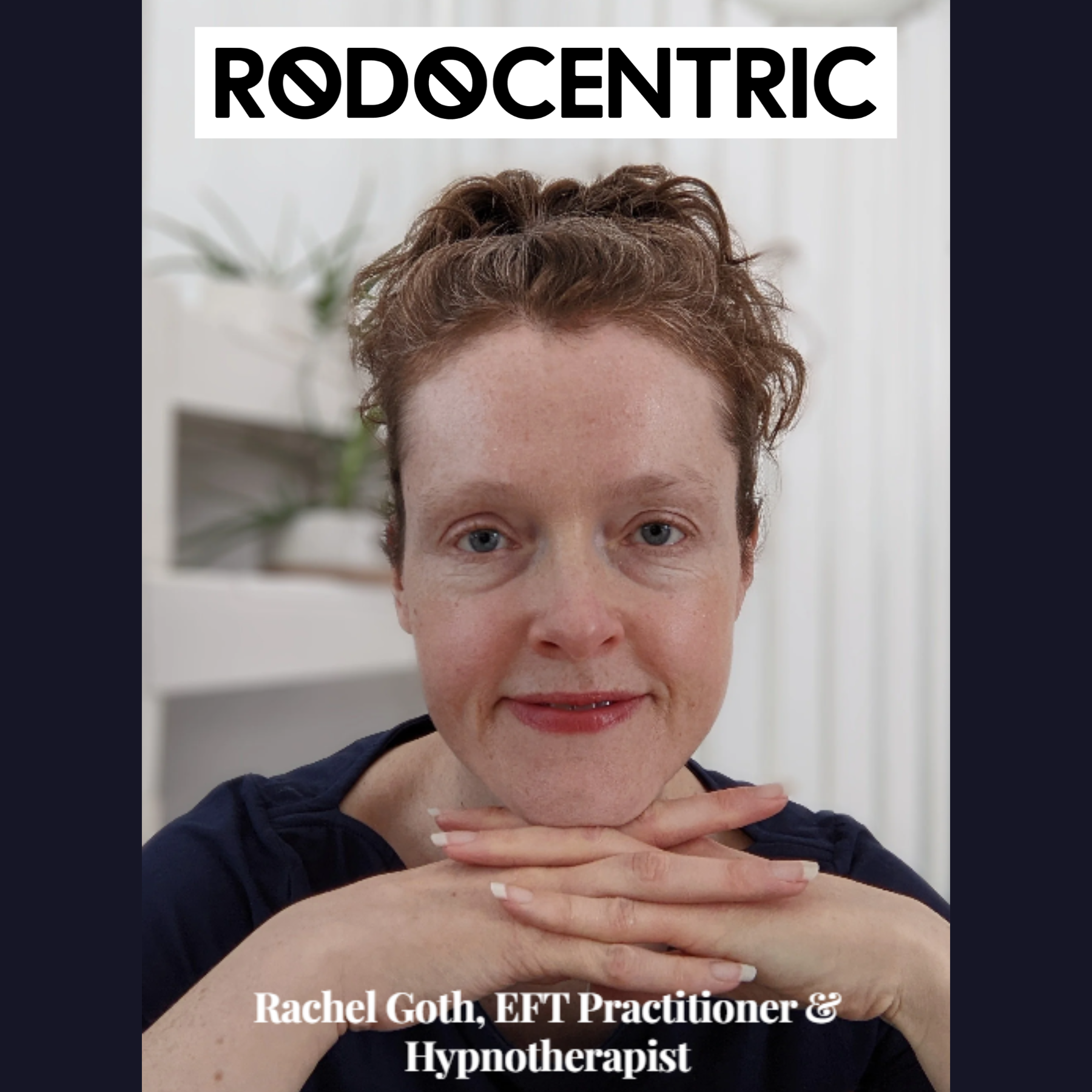
For pest-related fear specifically, Rodocentric refers customers to Rachel Goth, an EFT practitioner and hypnotherapist who works with people whose fear of mice, rats and other pests has outlasted the problem itself. Her approach is gentle and doesn’t involve confronting the phobia head on. It starts with a 30-minute Phobia Freedom Call to talk through what’s going on and what might help. Rachel has been through this herself, which matters when the people around you don’t quite get it. She’s also listed on Rodocentric’s About page as a trusted colleague.
Two halves of the same fix
Proofing deals with the physical problem. Rodent proofing closes the routes rodents use, so they can’t get back in the way they did before, and the FAQs answer the practical questions people tend to have.
Peace of mind is the other half, and it deserves the same care. If you’re not yet sure the gaps in your home have been found and sealed, book a rodent proofing assessment. If they have, and the fear is still there, that’s the moment to reach out for support. Feeling at home again is the whole point.