
Autumn and winter: why rodents move indoors and how to prepare your home
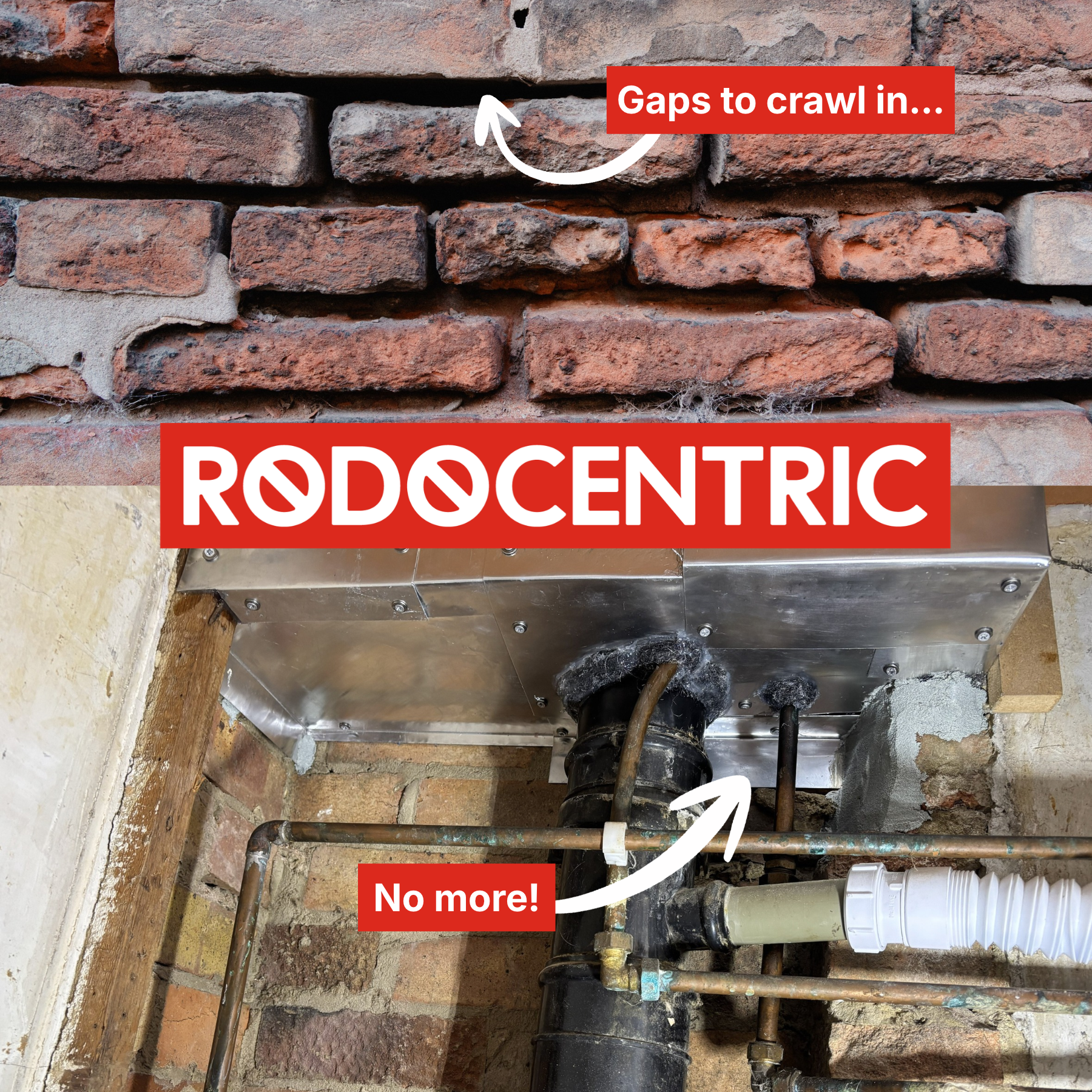
Every year, as the evenings lengthen and temperatures begin to drop, rats and mice start looking for somewhere warmer to spend the winter. And if they can find a way in, they may choose your home. Autumn and winter are when rodents move indoors, not because a house is dirty or neglected, but because it offers exactly what they're short of outside: warmth, shelter and a steady supply of food. But if you prepare now, you can stop them settling in later. Here's why it happens, and what you can do about it before the weather turns.
Why rodents move indoors in autumn and winter
Through the summer, rats and mice have everything they need outdoors: it's warm, food is easy to find, and they can hide from predators in hedges and long grass. All that changes once autumn comes around. The British Pest Control Association explains that as food becomes scarce, rats move closer to people in search of shelter and scraps, and as autumn and winter go on, they start heading indoors. They also become bolder, so seeing one in daylight is more common at this time of year.
Mice are similar. Like rats, they don't hibernate, so they need warmth and food all winter long. House mice can live alongside us at any time of year, but field mice that spent the summer in gardens and parks will look for a warm, sheltered place to nest once the cold sets in. And a heated home with a full kitchen is an ideal location. Just be aware that it's illegal to put down poison where you suspect field mice are active, because of the risk of second-hand poisoning to wildlife like owls and foxes.
London and the South East have a lot of older housing, and older homes tend to have more ways in. Decades of new pipes, cables, boilers and extensions can leave small gaps where services pass through walls and floors, and some of them are easy to miss. Mice can squeeze through any gap they can fit their head into, so even the tiniest of spaces need to be covered.
Terraced and semi-detached homes are often more exposed. Shared walls, connected roof spaces and suspended timber floors can give rodents a route from one property to the next, so a problem can start next door and still end up in your kitchen.
Where rodents head once they're inside
Once inside, rodents look for somewhere warm, quiet and close to food. In most homes, that means a few familiar spots:
The kitchen, particularly behind units, under the sink and around appliances, where pipes and services run and food is close by.
Under the floorboards, where they can move around the house unseen.
The loft, which is warm, dry and rarely disturbed.
Airing cupboards and boiler cupboards, which stay warm all winter.
Garages and sheds, especially if they're used for storage.
Knowing these hotspots helps you work out where to look, and where to focus your efforts when you're preparing your home.
Early signs worth taking seriously
In autumn, the first clues are often small and easy to dismiss: food packaging nibbled at the corner, greasy marks along the bottom of a wall, or a pet staring intently at the same spot on the floor. You might also notice a musty, ammonia-like smell in a cupboard, or bits of shredded paper or insulation tucked into a corner.
None of these means you have a serious problem, but they're worth acting on early. Rodents breed quickly, and they leave scent trails which draw more in through the same entry points.
How to prepare your home for autumn and winter
The most effective time to prepare is before rodents start looking for a way in. Most of the steps below take an afternoon or less.
1. Cut off easy food sources
Rodents need surprisingly little food to get by. The RSPCA's guide to living with rats and mice points out that they can survive on crumbs, so a tidy kitchen makes a real difference. Store cereals, pasta, pet food and bird seed in sealed containers, bring pet bowls in overnight and wipe down surfaces before bed. Outside, keep bin lids firmly closed and don't leave bags next to them.
2. Tidy the garden before winter
Autumn garden jobs are a good chance to remove the cover and food rodents rely on. Pick up fallen fruit, move bird feeders away from the house and clear spilt seed underneath them. Keep compost bins covered and turned regularly, and clear piles of logs, leaves and garden waste stacked against the house. Cutting back overgrown areas near garden walls removes the sheltered routes rodents use to reach your home.
3. Walk around the outside of your home
Take ten minutes to look at your home from the outside. Start at ground level, where most rodents get in. Check where pipes and cables enter the walls, around air bricks and vents, under external doors and anywhere brickwork has cracked or settled. Then look higher up: climbing plants, trellis and overhanging branches can give rodents an easy route to gaps under the eaves or around the roof.
4. Check the loft, garage and cupboards
Inside, check the places you don't visit very often. Look along the edges of the loft for daylight or droppings, store anything in the garage in plastic boxes rather than cardboard, and check the back of the cupboard under the sink, where pipes leave the room. If you find gaps, make a note of where they are, even if you don't fix them straight away.
5. Fix gaps properly, not quickly
Finding a gap is the easy part. Sealing it so it stays sealed is harder, because rodents gnaw through soft materials quickly. Quick fixes like expanding foam rarely last, while metal plates, stainless steel mesh, anti-gnaw fabrics and specialist sealants are made to hold. If you're not sure what you've found, our rodent proofing FAQs answer the questions homeowners ask most often.
When to call in a professional
If you've noticed signs of activity, or found gaps you can't reach easily, it's worth having your home properly assessed. Many entry points sit behind kitchen units, baths or appliances, where they're impossible to see without some exposure work, and they're often the ones that matter most.
An assessment should give you an honest picture of what's needed and what isn't. Some homes only need a few gaps sealed properly. Others need more extensive work. Either way, you'll know exactly where you stand before winter arrives. Rodocentric's rodent proofing services cover the whole process, from inspection through to sealing.
Get ahead of the cold
Autumn is the best time to act. Rodents are already starting to look for winter shelter, and every gap you close now is one less way in when the weather turns properly cold. A few simple changes at home make a real difference, and professional proofing provides a permanent, humane solution without the use of poison or traps.
If you're in London, Kent or the South East and want to get your home ready for winter, book a rodent proofing assessment and we'll help you find out where you stand.